
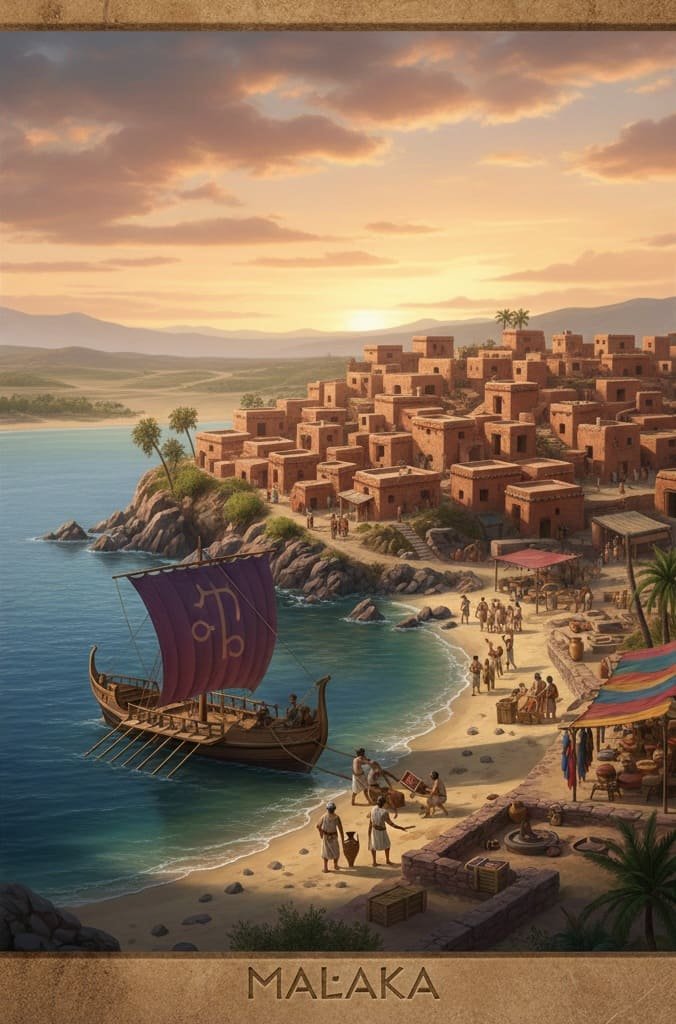
The Origins of Malaga: Phoenician Malaka
Modern-day Malaga is one of the oldest cities in the Western world with a continuous permanent population since its foundation by the Phoenicians in the 8th Century BC. To fully understand this historical context, let’s first address the most essential question:
Who were the Phoenicians?
Originating from the Fertile Crescent in the Near East (specifically modern-day Lebanon), the cradle of civilization, lived the Phoenician peoples of Byblos, Sidon, and Tyre. These were independent city-states that shared a common language, culture, and religion, but above all, a mastery of trade and highly advanced maritime navigation skills. The Phoenicians were, first and foremost, merchants, and their entire cultural development was centered around this activity.
Their name derives from the Greek word for the purple dye they extracted from murex mollusks—likely the most coveted and valuable pigment of the era, reserved for royalty and high-ranking clergy. Located in a narrow region between the Mediterranean coast and the mountains of Lebanon, their commercial drive to acquire metals led them to embark on journeys to unknown regions. They traded their own high-quality products, such as wine, olive oil, perfumes, dyes, and textiles, for raw materials.
They transformed the Mediterranean and its surrounding coastlines into their primary trade route, eventually reaching the Atlantic Ocean through the Strait of Gibraltar, between the coasts of Cadiz and Morocco. By the 11th Century BC, after nearly half a century of exploratory visits to the Cadiz area and cultural exchanges focused on obtaining precious metals—especially silver, but also copper, gold, and tin—they recognized the need for expansion. Driven by the pressure of the empires surrounding their original cities and the necessity of establishing permanent bases at the source of their valuable cargo, they settled in Cadiz around 1100 BC. Thus, Cadiz became the oldest continuously inhabited city in the West.
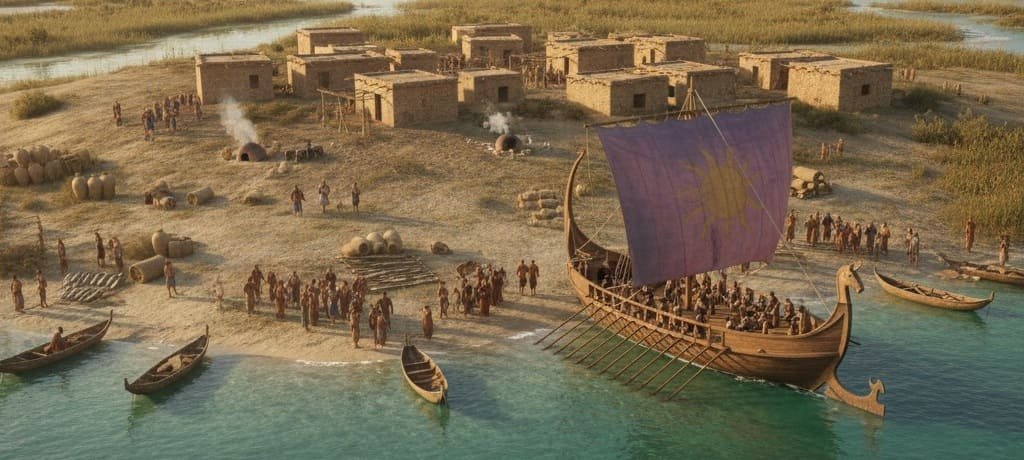
Phoenician navigators exploring the uncharted coasts of the Iberian Peninsula.
However, the journey from Phoenicia to Cadiz covered a staggering distance of approximately 4,000 kilometers, taking months to complete. Port bases were essential for restocking supplies, resting crews, and repairing vessels. This is precisely where Malaga enters the story.
Malaka: The Birth
Malaga was already known to the Phoenicians, as its coastal geography made it a privileged natural harbor—a sanctuary for ships during heavy storms. Furthermore, the area was inhabited by the original local population, the Iberians, with whom the Phoenicians conducted regular trade. For several months each year, primarily from spring to autumn before the Mediterranean storms began, Phoenician settlers stayed in the area before returning home with their cargo holds full.
But Malaga offered more than just an exceptional natural port; it possessed running water and fertile lands, making it an ideal location for permanent settlement. This transition to a stable colony took place in the mid-8th Century BC.
Cerro del Villar
At the mouth of the Guadalhorce River, very close to where Malaga Airport stands today, the Phoenicians decided to build a permanent base camp on what was then an islet. This was Cerro del Villar, an area that has since become part of the mainland due to the accumulation of sediments from repeated river flooding over the millennia.
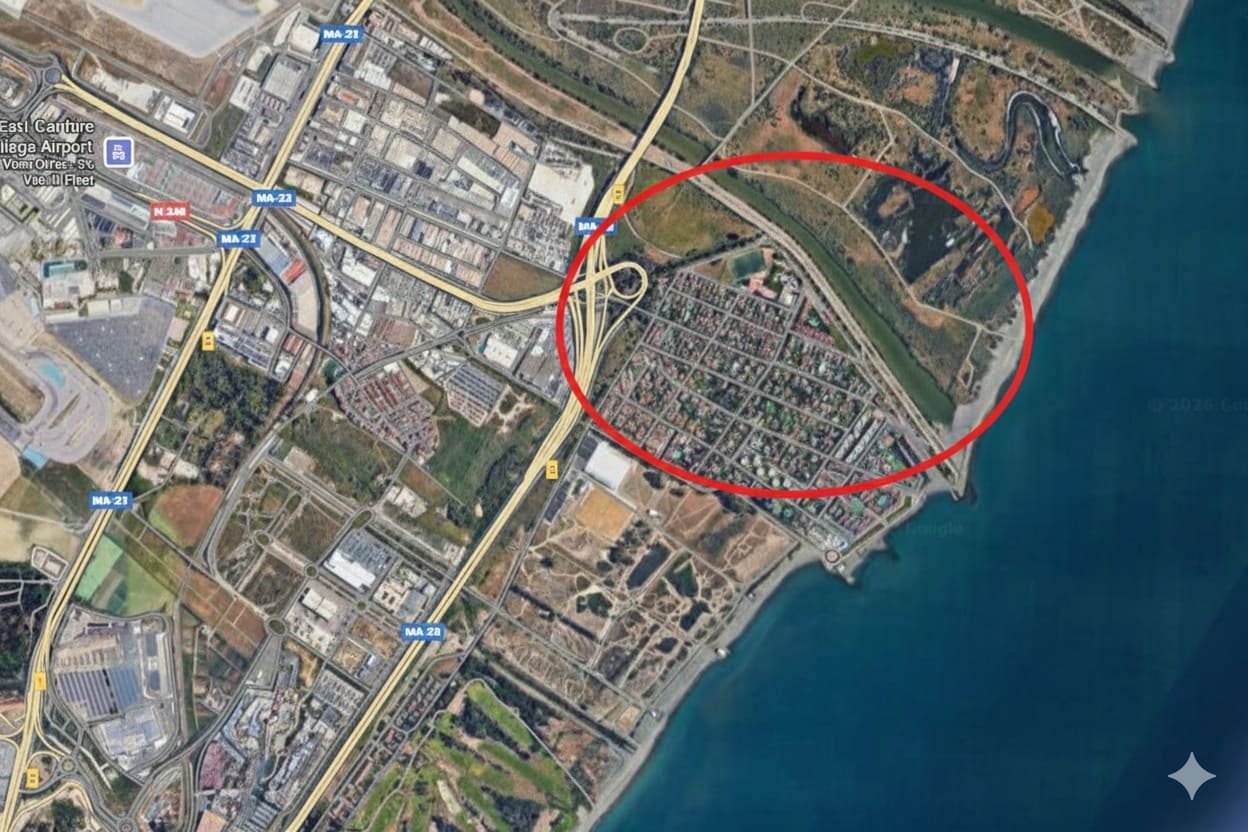
Cerro del Villar: The original Phoenician gateway to the Guadalhorce Valley.
They did not just build permanent adobe homes; they also constructed paved roads, kilns, and buildings for their burgeoning industry, and almost certainly, a structured port for their ships.
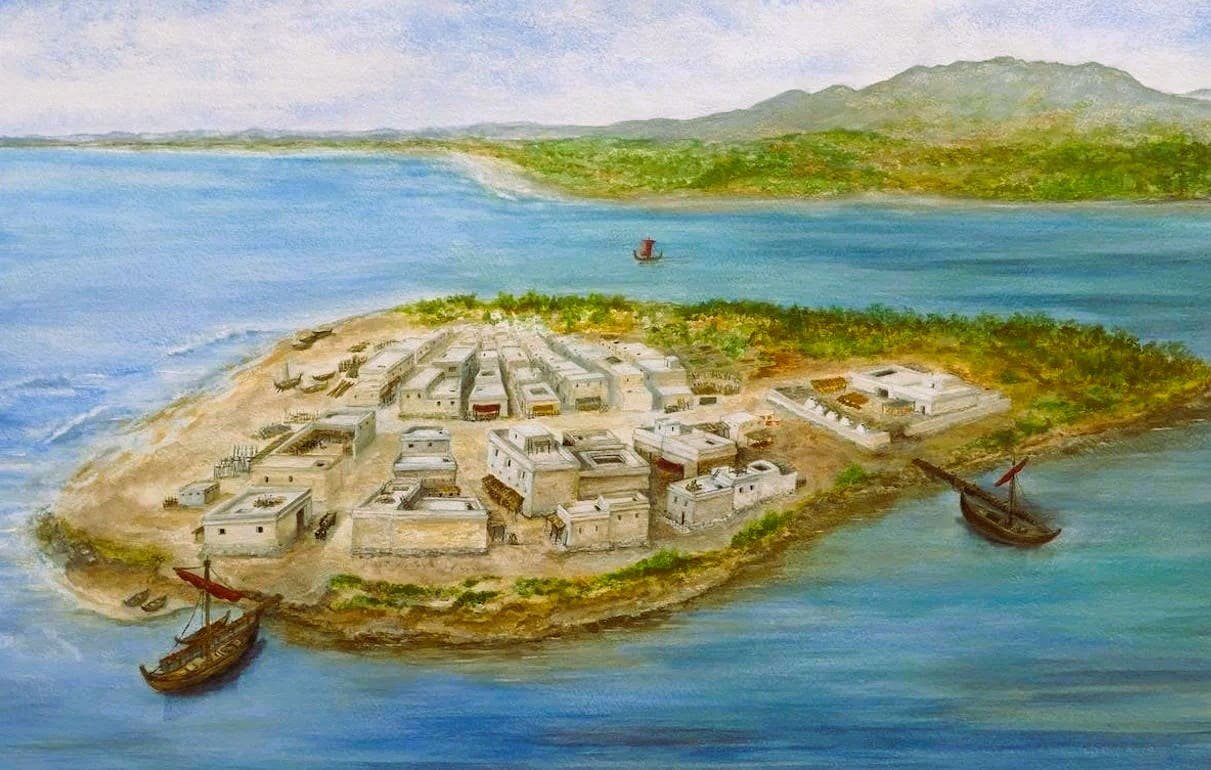
The early industrial and commercial heartbeat of ancient Malaka.
From this vantage point, protected by the surrounding waters and free from enemies, the Phoenicians prospered. They integrated with the local population, forging a unique identity that began to diverge from that of their ancestral cities in the Levant.
The Abandonment of Cerro del Villar and Relocation to Malaga’s Center
The definitive settlement eventually moved to the banks of the Guadalmedina River, under the protective heights of Mount Gibralfaro. Evidence suggests that Cerro del Villar suffered a catastrophic event—whether a massive flash flood from the Guadalhorce River or a tsunami—which buried the settlement and led to its permanent abandonment. By a stroke of archaeological luck, no subsequent civilizations built over these buried ruins, leaving them preserved in their original state, along with everyday objects, for over 2,500 years.
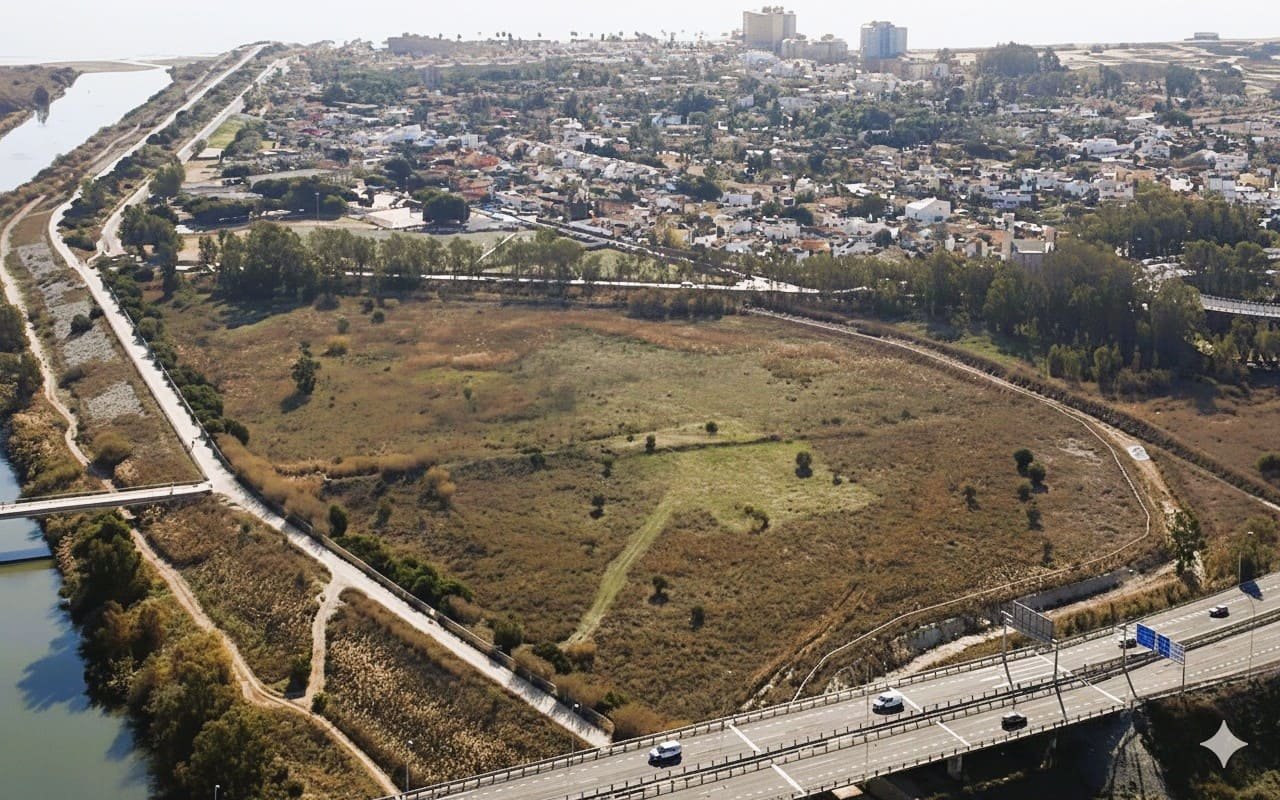
Untouched for millennia: The buried secrets of Malaga’s first urban center.
It wasn’t until the 1960s, during a routine electrical installation, that some of these artifacts were accidentally discovered, triggering the excavation of the first urban settlement in Malaga’s history.
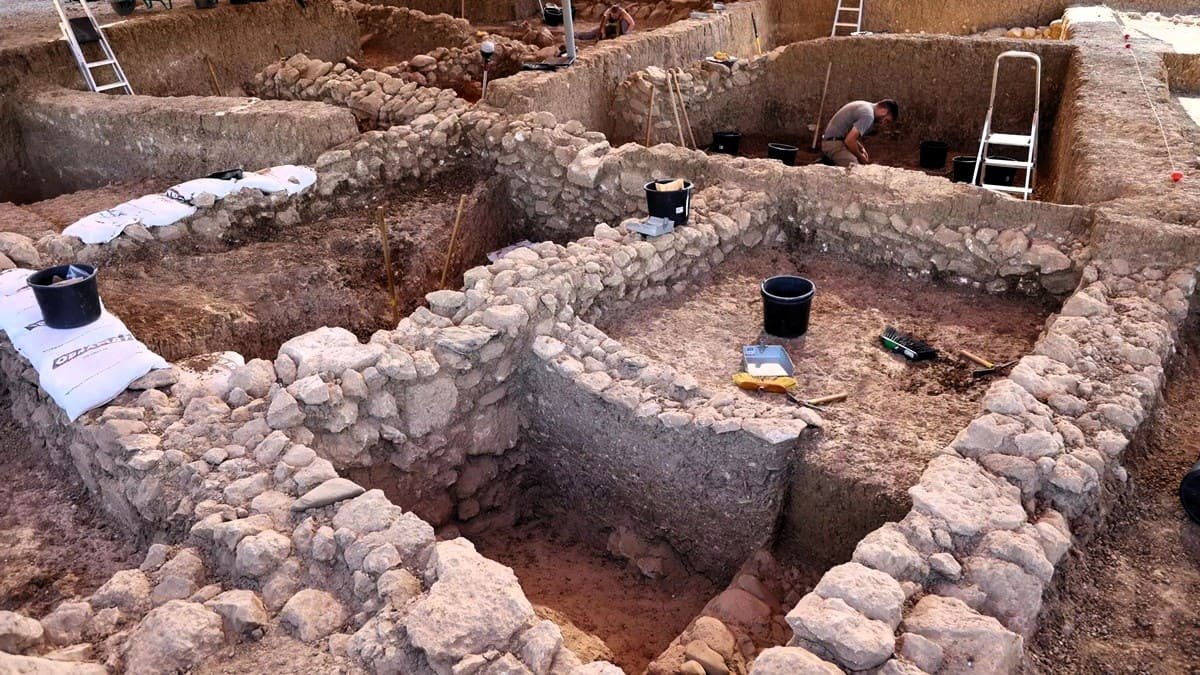
Excavations revealing the sophisticated urban planning of the 8th Century BC.
Malaga City Center: The Definitive Urban Settlement
Following the flooding or tsunami, the population relocated to what is now Malaga’s historic center, utilizing the elevations of Gibralfaro to prevent future flooding. There, the city grew and was fortified with walls, reaching its peak around the 5th Century BC. As the original Phoenician power center shifted to Carthage (on the coast of Tunisia), Malaga became one of the most vital federated colonies.
During this era, Malaga flourished as a major logistical hub, minting its own currency and exporting local crops, grain, salted fish (garum), olive oil, and wine. Its port remained one of the most significant distribution centers in the entire Mediterranean basin.
What Happened to Phoenician Malaga?
The Phoenician culture was not one of conquest by force, nor was it a dominant military power. The foundation of their colony-cities was rooted in commercial exchange, a process in which the indigenous populations participated willingly. Over time, these local inhabitants were absorbed into the Phoenician culture, becoming fully integrated into its social, commercial, and political life.
For centuries, Malaga continued to grow, establishing itself as a unique commercial enclave. This was due to its dual role: an essential node in the maritime routes across the Mediterranean and a powerhouse in the production of consumer goods. Malaga was a sophisticated, open city, inhabited by people of diverse cultures and nations who threw themselves into its frantic commercial life. Much like today, it was a place that welcomed anyone who wished to visit and participate in the city’s activities.
However, its greatest strength—its openness—was also its primary weakness. As Malaga was not a military power, it could not easily resist the external threats of expanding empires that sought to conquer its strategic wealth.
The End of Phoenician Control and the Transition to Rome
By this time, the original Phoenician power center had shifted to Carthage (in modern-day Tunisia), following the fall of the ancestral cities in the Near East. Carthage soon found itself threatened by the expansion of an emerging superpower: Rome. This rivalry gave birth to the Punic Wars, a series of conflicts where Rome sought to impose territorial dominance by force, while Carthage fought to protect its vast maritime and commercial networks.
In a brutal war of attrition, Carthage initially held the upper hand. However, Roman resilience and their refusal to be defeated eventually tipped the scales. In the spring of 206 BC, following the decisive Battle of Ilipa—where Rome defeated Carthaginian forces in the Andalusia region—all Carthaginian territories in the Iberian Peninsula passed into Roman hands.
Malaca: The Not-Quite-Yet Roman City
Following the end of Carthaginian rule in the peninsula, Roman emissaries arrived in Malaga to negotiate the city’s surrender. The local leaders, prioritizing the survival of their port and industry, accepted the transition without violent resistance. In exchange, Malaga was allowed to maintain its self-government, its own currency, local customs, and commercial activities.
In return, Rome demanded the payment of tributes—which were paid punctually—and military support if the need arose. For nearly a century and a half, Malaga retained its unique Phoenician identity even under Roman shadow. However, this distinct personality began to fade over time.
The local population, especially the wealthy upper class and influential merchants, gradually adopted Roman language, customs, and dress. Quite simply, “going Roman” was good for business. After this natural process of cultural assimilation, Malaga was officially granted Roman municipal status at the end of the 1st Century BC. This legal transformation was later solidified by a lex municipalis during the era of Augustus, turning the ancient Malaka into the Roman Municipium Malacitanum.
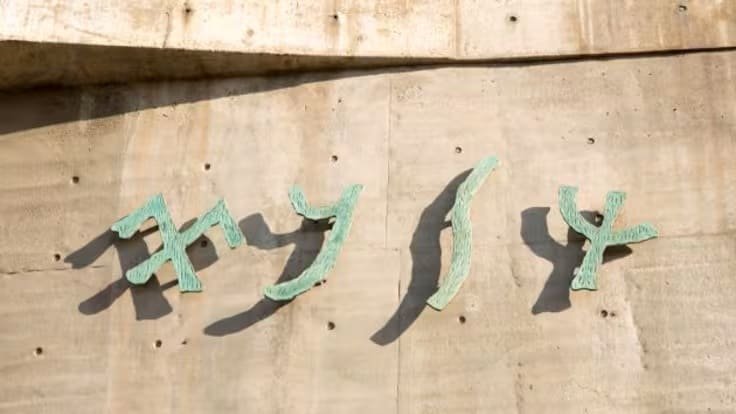
Ancient coinage of Malaka, featuring Phoenician script that remained in use long after the Roman arrival.
Conclusion: A Legacy That Never Faded
The Phoenicians did not disappear; they laid the commercial and cultural foundations of the Western world. Their influence persists today in our daily activities, our writing systems, our understanding of business, maritime navigation, and the very principles of modern capitalism. The Phoenicians gave the world the linear alphabet, from which the Greek, Latin, and Arabic scripts eventually derived.
To facilitate this, they introduced papyrus, allowing private contracts to be recorded accurately and objectively, granting them legal legitimacy. They founded the principles of international trade and corporate relations—essentially the birth of the modern economy. Concepts such as insurance, standardized olive and vine cultivation for oil and wine production, and the perfection of open-sea navigation are all part of their immense heritage.
They brought us organized ports and planned cities. They professionalized smelting furnaces and the metallurgical industry. They standardized the production of ceramics and pottery using the potter’s wheel. Glassblowing, goldsmithing, and the creation of luxury dyes were all perfected by their hands. Phoenicia did not dominate the world through military force; it connected it. It was the first true human globalization. Greeks and Romans did not just succeed them—they copied them. While many civilizations have dominated the world at different points in history, Phoenicia, through its foundational roots, has in many ways governed its structure ever since.
The Story Continues…
At the Malaga Museum, located in the Plaza de la Aduana, you can find a vast collection of Phoenician artifacts and a deeper exploration of the history of this astounding people and their role in the birth and development of Malaga’s unique personality.
Today, Malaga remains a vibrant, welcoming, and culturally rich destination. Its main gateway, the Malaga Airport, shares the same geographical area (not by chance) as that original primitive settlement of Cerro del Villar. It remains a strategic hub of mobility and exchange. We invite you to explore and enjoy nearly 3,000 years of uninterrupted history—a privileged legacy that continues to beat in the heart of our city.
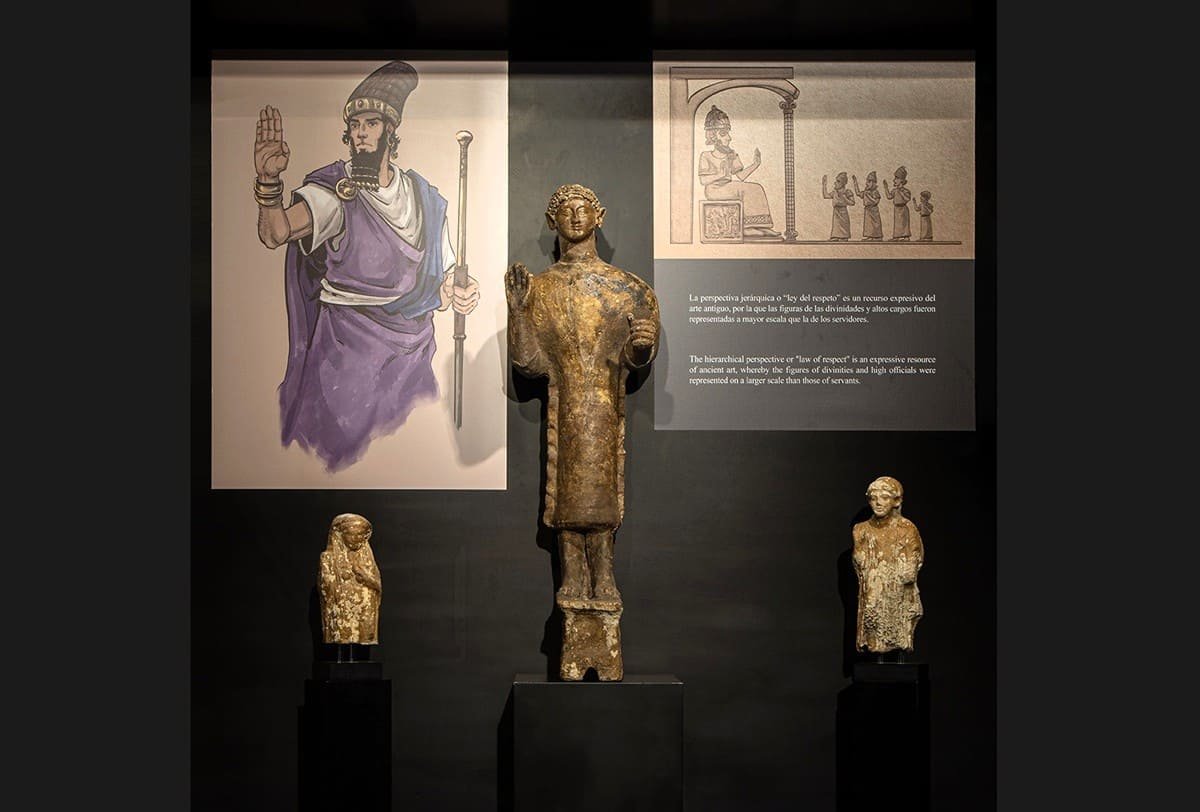
Discover the soul of Malaka at the Malaga Museum, where 3,000 years of history come to life.